
Short Biographies of My Paternal Grandparents, Max and Rosel Schlachter (Part 3 of 4)
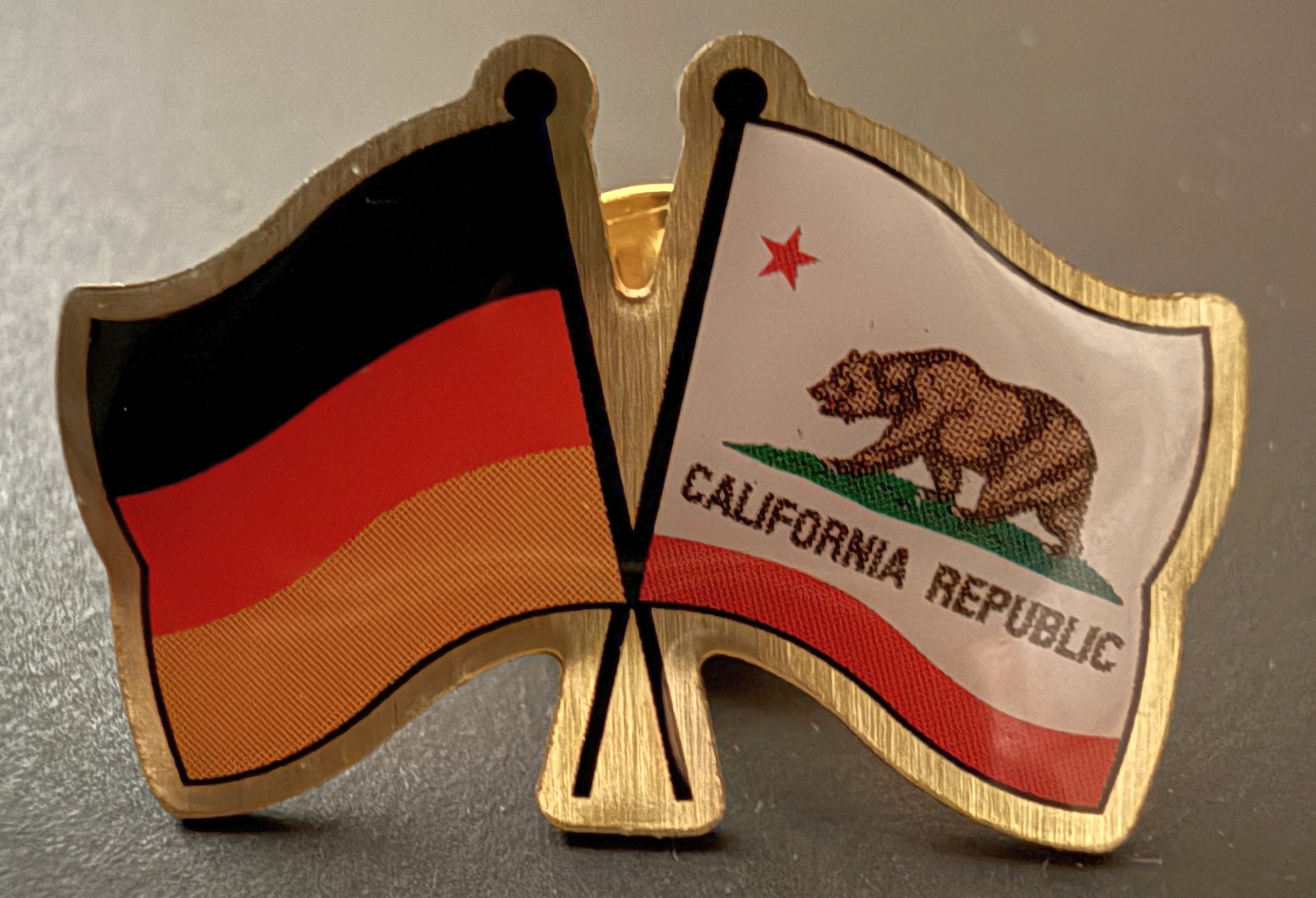 This is part 3 of my 4-part series on obtaining German citizenship. My prior posts explained why and how I obtained German citizenship. This post provides short biographies of my paternal grandparents.
As part of preparing my German naturalization application, I had to assemble timelines for my grandparents, my parents, and myself. I relied a lot on a family tree created by a distant family member.
The Early Life of Max Schlachter
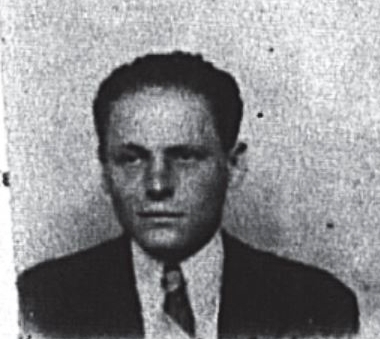 Max Schlachter was born in 1910 in Frankfurt, Germany. He had an older brother, Joseph. The family tree indicates that Joseph went to Cuba.
Max went to college at the University of Frankfurt. I assume he graduated in 1932. He attended medical school in Bern, Switzerland and graduated in 1937. I don’t know why he went to Switzerland for medical school rather than a German medical school.
The Early Life of Rosel Schlachter
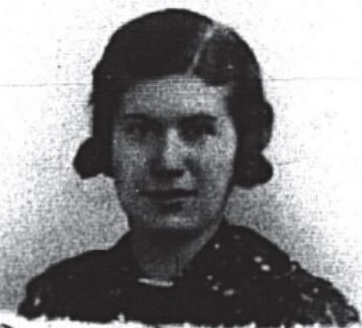 Rosa Rosenfeld was born in 1913 in Crailsheim, Germany, a small town in Baden-Württemberg (Southern Germany). Rosa was the 11th of twelve children. Five of those offspring died as children. Her father died in 1918, and her mom died in 1922. According to the family tree, Rosa’s eldest brother Albert married Frieda Schlachter, suggesting multiple connections between the Rosenfeld and Schlachter families.
Rosa got trained as a nurse and ended up in Frankfurt, but I don’t know the details.
Her birth name was Rosa, but over time she adopted the name “Rosel.” I didn’t find any evidence of a formal name change. As usual with genealogy research, we had to search multiple combinations of her name, including “Rosa Rosenfeld,” “Rosel Rosenfeld,” and “Rosel Schlachter.”
Exit from Germany and First Moves in the US
Though they were not yet married, Max and Rosel both moved to the United States in 1937. I remember them discussing how things kept getting worse in Nazi Germany, but I don’t know what was the exact flashpoint that told them it was time to flee. Obviously, many other German Jews didn’t draw the same conclusion (or didn’t have the ability to leave). I also don’t know where they got the money to leave or if they had any difficulties getting permission to enter the U.S. Surely their medical training was an asset because medical expertise was valuable for the anticipated war to come. Indeed, family lore is that soon after Max and Rosel left for the U.S., Germany prohibited all medical personnel—even Jews—from leaving the country. Exiting before that ban was one of the many good choices they made.
My grandfather sailed to NYC on the SS Manhattan, which left Hamburg on June 2, 1937. My grandma sailed to NYC on the SS Bremen, which left Cherbourg on December 17, 1937 (I assume Rosel boarded in Germany and the boat stopped in Cherbourg on its way out).
When Max arrived in June 1937, he did a residency at the Menorah Hospital in Kansas City, MO. His residency likely ended in summer 1938.
When Rosel arrived in December 1937, she stayed with friends in Manhattan, likely through the first half of 1938.
In 1938, Max got a residency at a hospital in Hamilton, Ohio, and Rosel got a job as a nurse in Oxford, Ohio, about 15 miles away. (Both cities are in the Cincinnati metro area). Given this geographic proximity, they were close enough to talk with and see each other regularly for the first time in a year or more.
On May 30, 1939, Max and Rosel got married in a county courthouse in Alexandria, Campbell County, Kentucky, Alexandria is also part of the Cincinnati metro area, but on the other side of the Ohio River.
Relocation to Utah
Soon after their marriage, Max and Rosel moved to Salt Lake City, Utah. According to my brother-in-law, the U.S. government was suspicious of the loyalty of doctors from Germany, even the Jewish ones. Therefore, the government tried to steer the German doctor refugees to the center of the country, where they posed less of a security threat. Max obtained his Utah medical license in early 1940. Shortly thereafter, he agreed to become the town doctor in Parowan, Utah, a small mining community. Rosel worked as a nurse in his office. Rosel would occasionally reference her time in Parowan without much nostalgia. She described the townspeople as nice but not really able to connect with the foreign Jews with thick accents.
For reasons I don’t know, the family moved from Parowan to Beaver, Utah and then Milford, Utah. My father and aunt were both born in Utah.
 Relocation to California
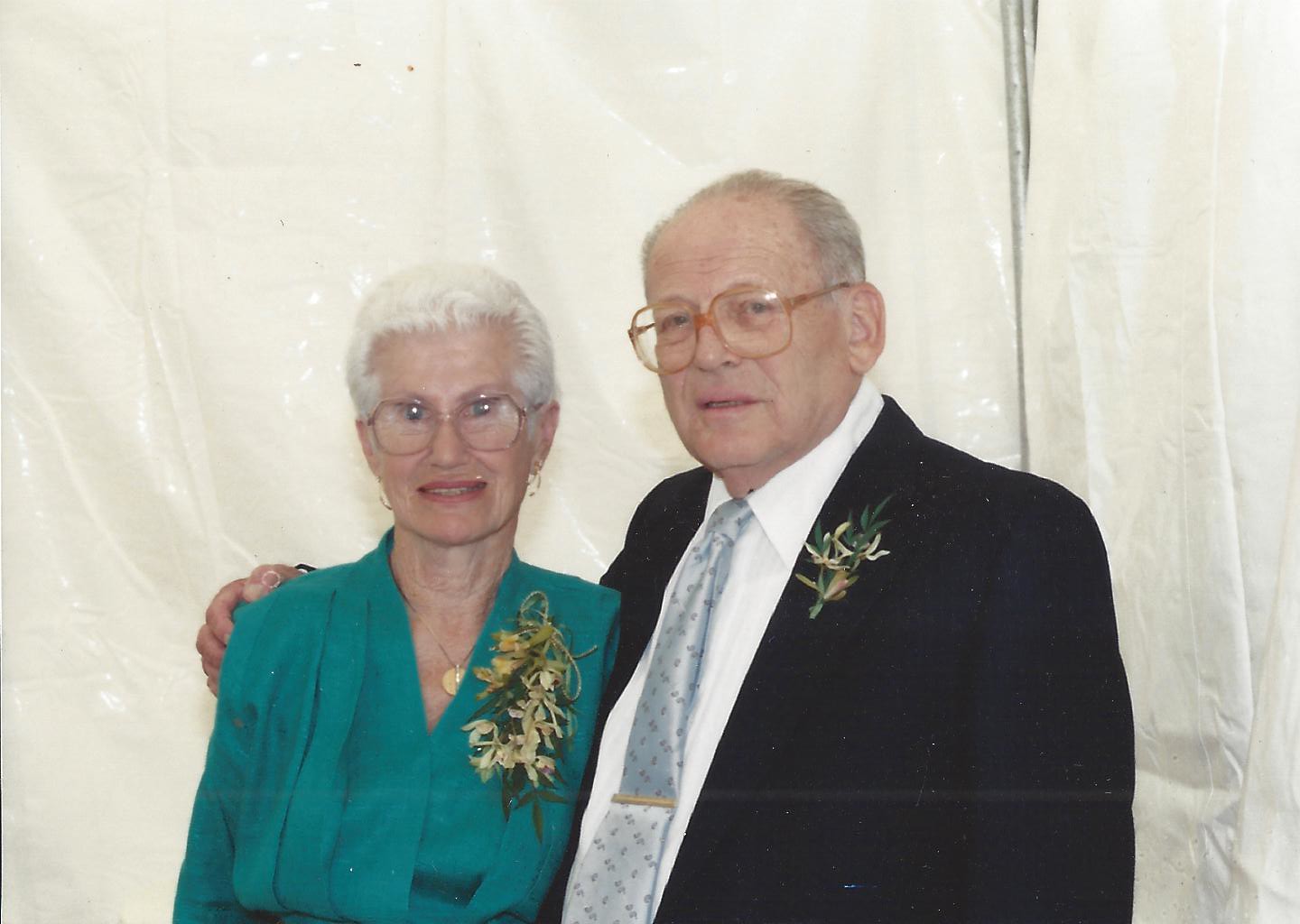
After World War Two ended and security concerns about German refugees abated, my grandfather could leave Utah. He got a California medical license in 1946. The family relocated to Oakland, CA, where Max ran a general medical practice with Rosel as the office nurse. They lived in Oakland from 1946-1973, when they moved to Alameda. Max died in 1997. In 2002, Rosel moved down to Pasadena to be closer to my aunt and her family. Rosel died in 2005. Rosel’s obituary.
Observations
The years 1937-1940 were a chaotic time for Max and Rosel. They moved several times in three years, and they probably had limited real-time communications with each other during their separations.
I can only imagine the stress and uncertainty they must have felt during that period. They were strangers in a strange land. They had language barriers, a strong accent (that never went away), few if any family members nearby, presumably significant financial stress, the challenge of being German when Germans are hated in the U.S., and the challenges of being Jewish at a time when many people in the U.S. were anti-Semitic. Compared to many other immigrants’ stories, perhaps their stories aren’t quite as dramatic or painful. Still, I feel a deep sense of gratitude for the sacrifices they made that benefited their descendants.
[…] explains why I obtained German citizenship. Subsequent posts will explain how I did so; provide biographies of my German grandparents; and highlight some historical surprises I learned along the […]